“The US has an enduring interest in preventing Europe from falling under a potentially hostile hegemon”

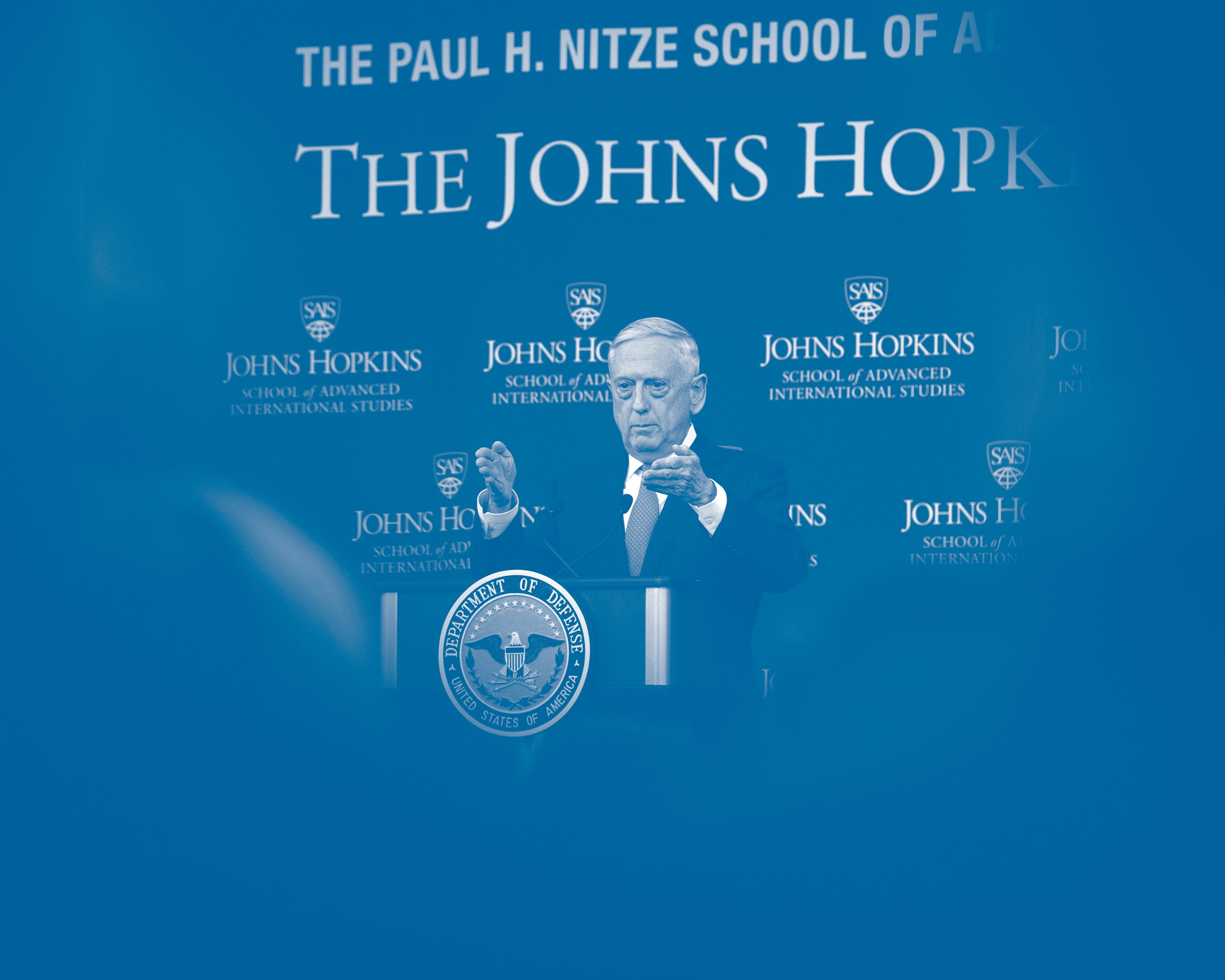
In the context of the recent US National Security Strategy, we bring to your attention an interview with undersecretary of war for policy Elbridge Colby, largely credited with its conceptual paternity. The interview was conducted by our colleague Octavian Manea and published by GlobalFocus Center in 2019 on its editorial platform Eastern Focus.

Interview with Elbridge Colby, Director of the Defense Program at the Center for a New American Security. He was Deputy Assistant Secretary of Defense for Strategy and Force Development from 2017 to 2018, during which time he served as the lead official in the development of the 2018 National Defense Strategy (NDS) and the DOD’s principal representative in the development of the 2017 National Security Strategy (NSS).
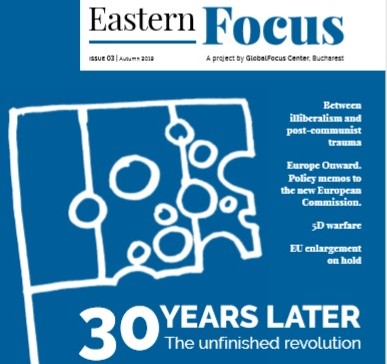
EasternFocus #3: 30 Years Later. The Unfinished Revolution

Thirty years after the fall of the Berlin Wall, the state of liberal democracy in the former communist bloc is “probably worse than we hoped but better than we feared”, thinks Thomas Carothers, interviewed in this issue of Eastern Focus. He looks at the good, the bad and the ugly of post-1989 transition and says that three decades later, we are still in an intermediate state.

The ambivalence of the Zelensky presidency

By Andreas Umland | Kiev

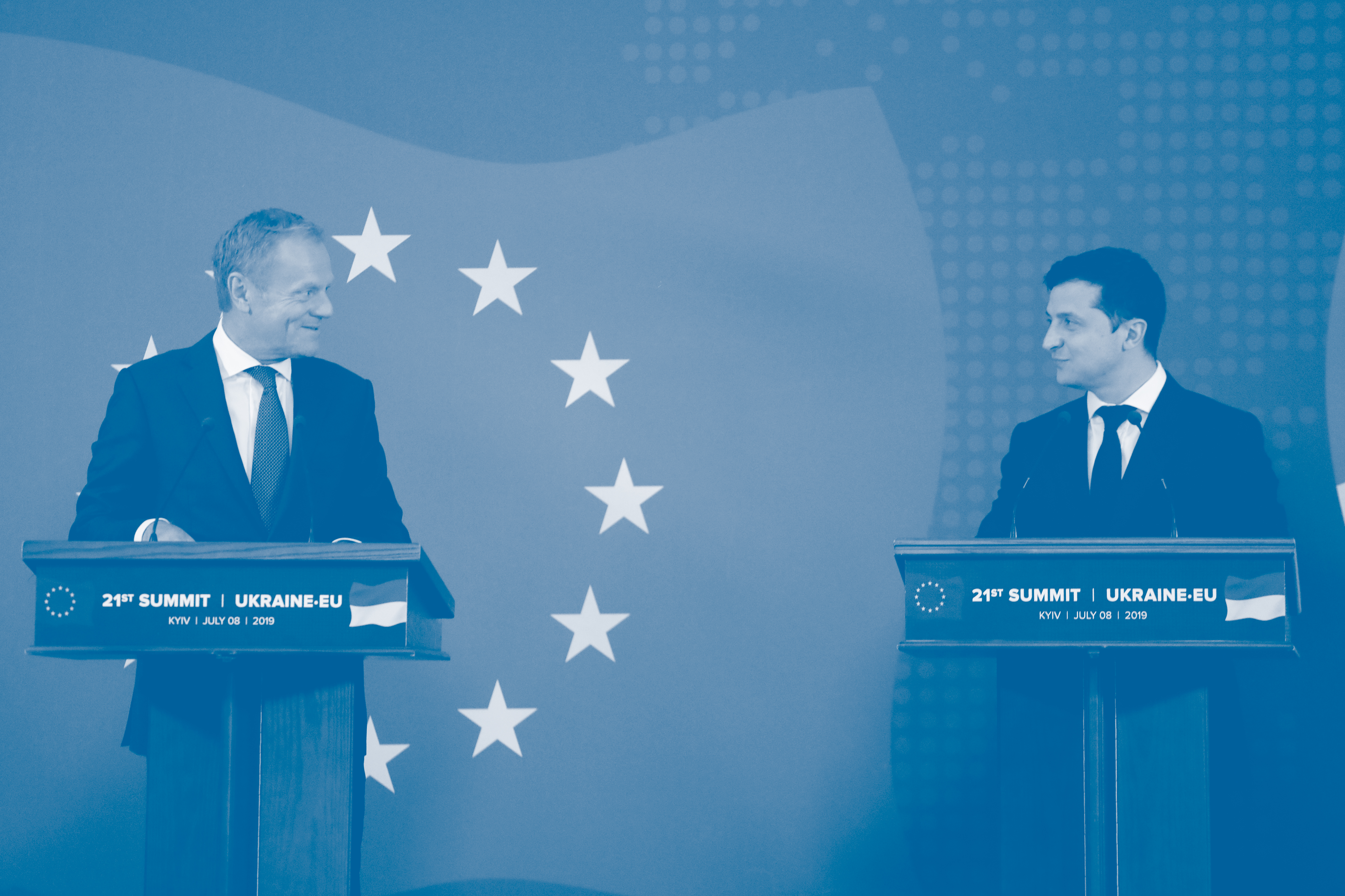
Many political experts both in and outside Ukraine have reacted negatively or very negatively to the meteoric political rise of Ukrainian comedian Volodymyr Zelensky. Indeed, Zelensky’s presidency could prove problematic in various ways. His 2019-2024 term as Ukraine’s head of state may prove to be an even more ambivalent enterprise than those of the other two top contenders in this year’s presidential elections, the opposition leader Yulia Tymoshenko and the former president Petro Poroshenko, would have been. Still, for all the apt scepticism, there is also – as in the case of certain positive aspects of Tymoshenko’s and Poroshenko’s unsuccessful bids for president – a bright side to Zelensky’s victory. One can identify at least three major risky or negative, but also three relatively encouraging dimensions of his rule.

Ze! Ukraine’s foreign and security policy

By Mykola Kapitonenko | Kiev

In the pre-election rhetoric used by all the front-runners in Ukraine’s presidential campaign, issues of national security and foreign policy ranked high. The conflict – referred to by many as ‘war’ – with Russia, the question of annexed Crimea, aspirations for NATO and EU membership, became topics of specific concern and points for emotional political discussions. The overwhelming majority of presidential candidates – there were 39 on the list in total – highlighted the restoration of the country’s territorial integrity and moving closer to EU and NATO membership as their foreign and national security policy priorities. 

To be or not to be – the case for Serbia’s European integration

By Srdjan Majstorović | Belgrade

The European Commission published its Country Report for Serbia in May 2019 assessing the country’s progress in the past year: it portrays a confusing picture of a country that is perceived as a frontrunner in the EU accession process, has been involved in accession negotiations since 2014, and which yet obviously lacks any drive to reform, ambition, capacities, and most importantly the results that could prove its advanced status.