As a new European Commission is in the making in Brussels, #EuropeOnward is a series of implementable policy proposals for the incoming EU leadership, providing new impetus for the Union’s strategic priorities.

globalfocus
Sun
Aug
25
By Alec Bălășescu | Hong Kong
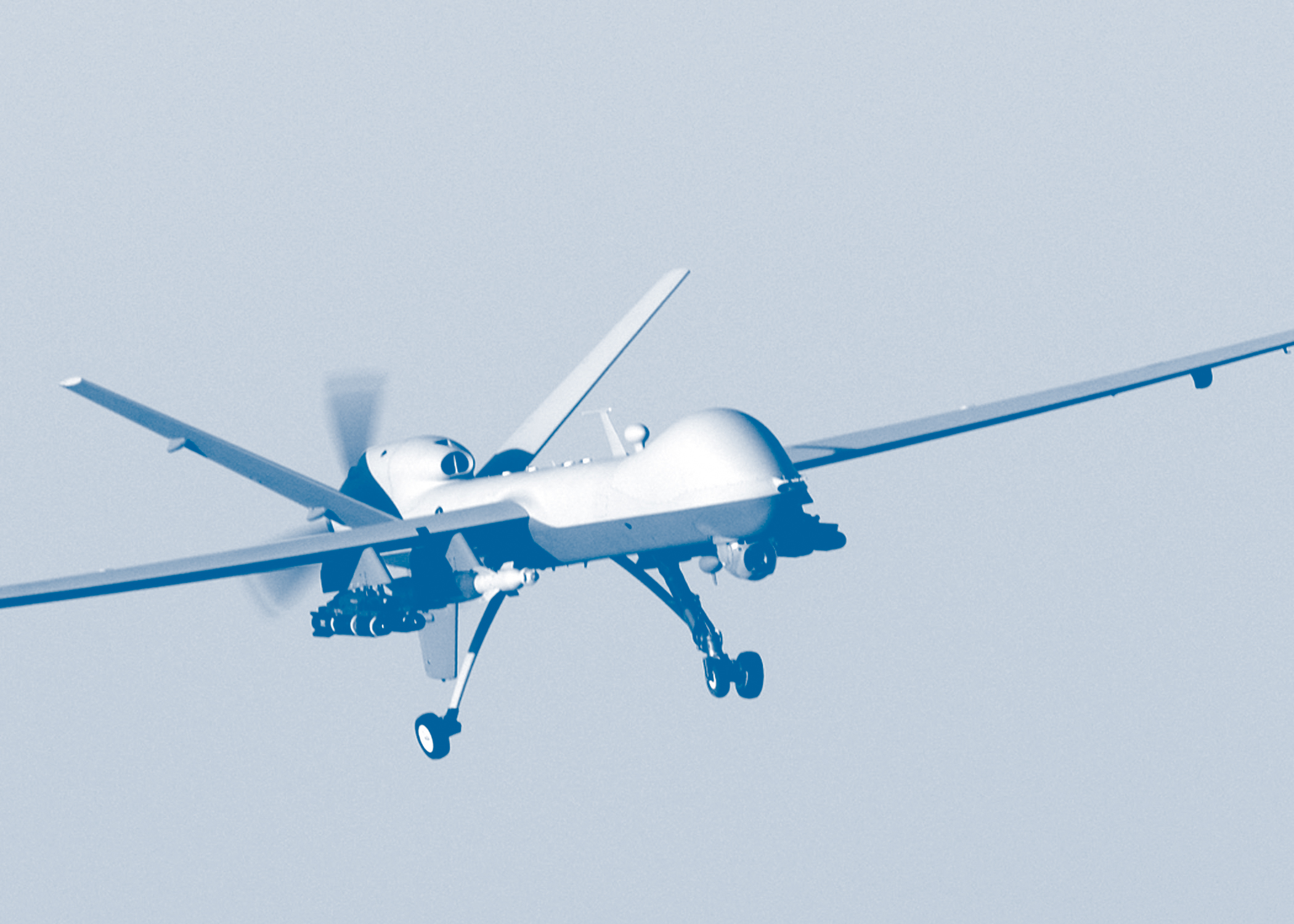
When Iran claimed to have downed a US drone for the first time in 2012, an Iranian friend gifted me a new toy bought in Tehran: a plastic, low quality model of the said drone, bearing on its box the inscription in Farsi and in English: “We will crush Amrican (sic!) hegemony!” My friend commented that if they were to use the same technology that produced the toy, the chances of success would be minimal.
By Owen Alterman | Tel Aviv
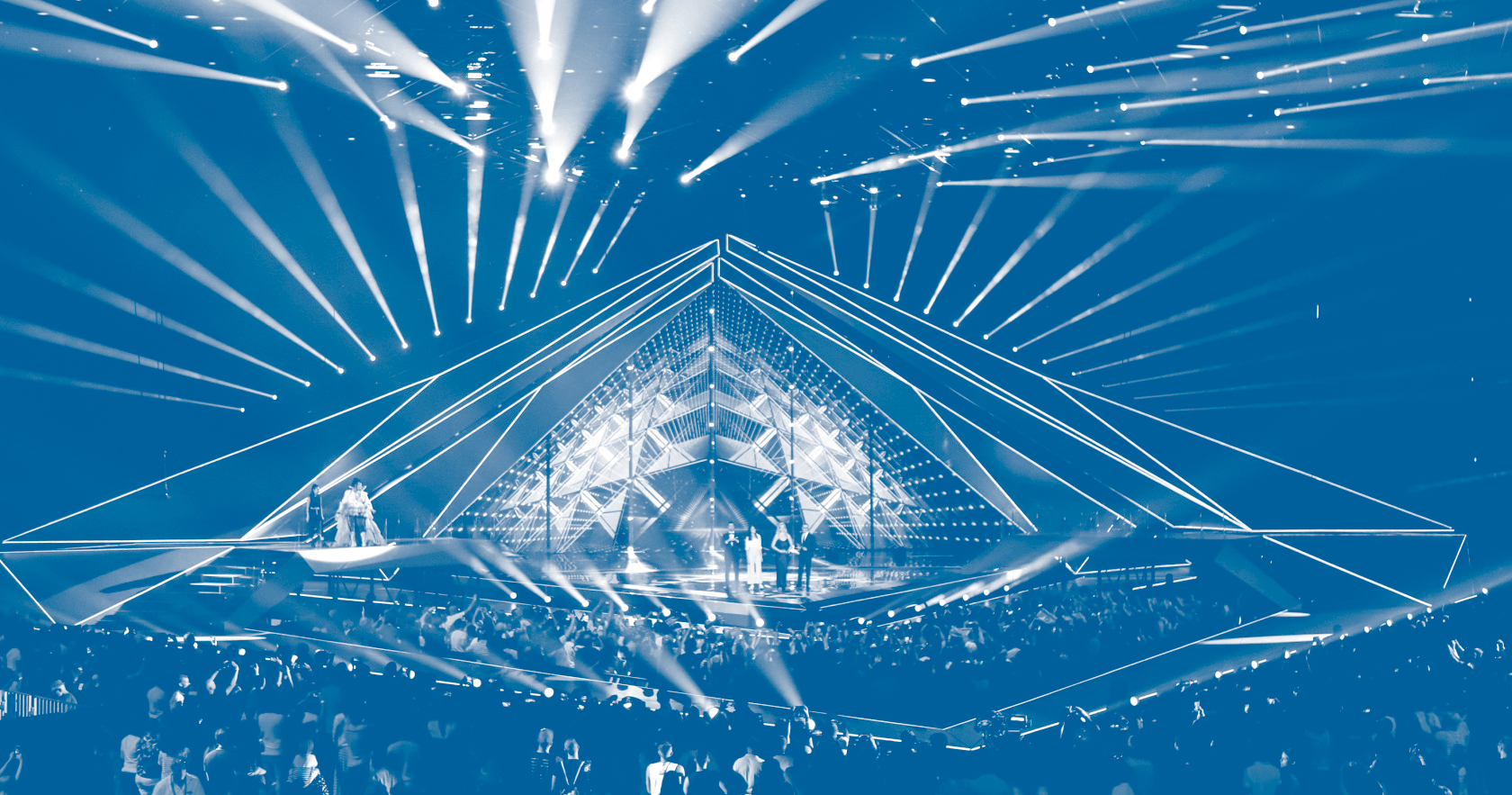
May 2019 featured three major European events. One didn’t even take place in Europe. The first happened on May 9, Europe Day, when European leaders gathered for their summit in Sibiu, Romania. The second: the set of European Parliament elections across the 28 European Union member states. And the third major European event of May 2019 was the Eurovision song contest, which took place not in a quaint Transylvanian mountain town or across the villages and downtowns of the Continent or British Isles, but in a convention center on the edge of Tel Aviv, Israel. In the city’s beachside park, some 500,000 people packed the largest Eurovision village in the history of the competition.
Tue
Aug
20
By Andreas Umland | Kiev
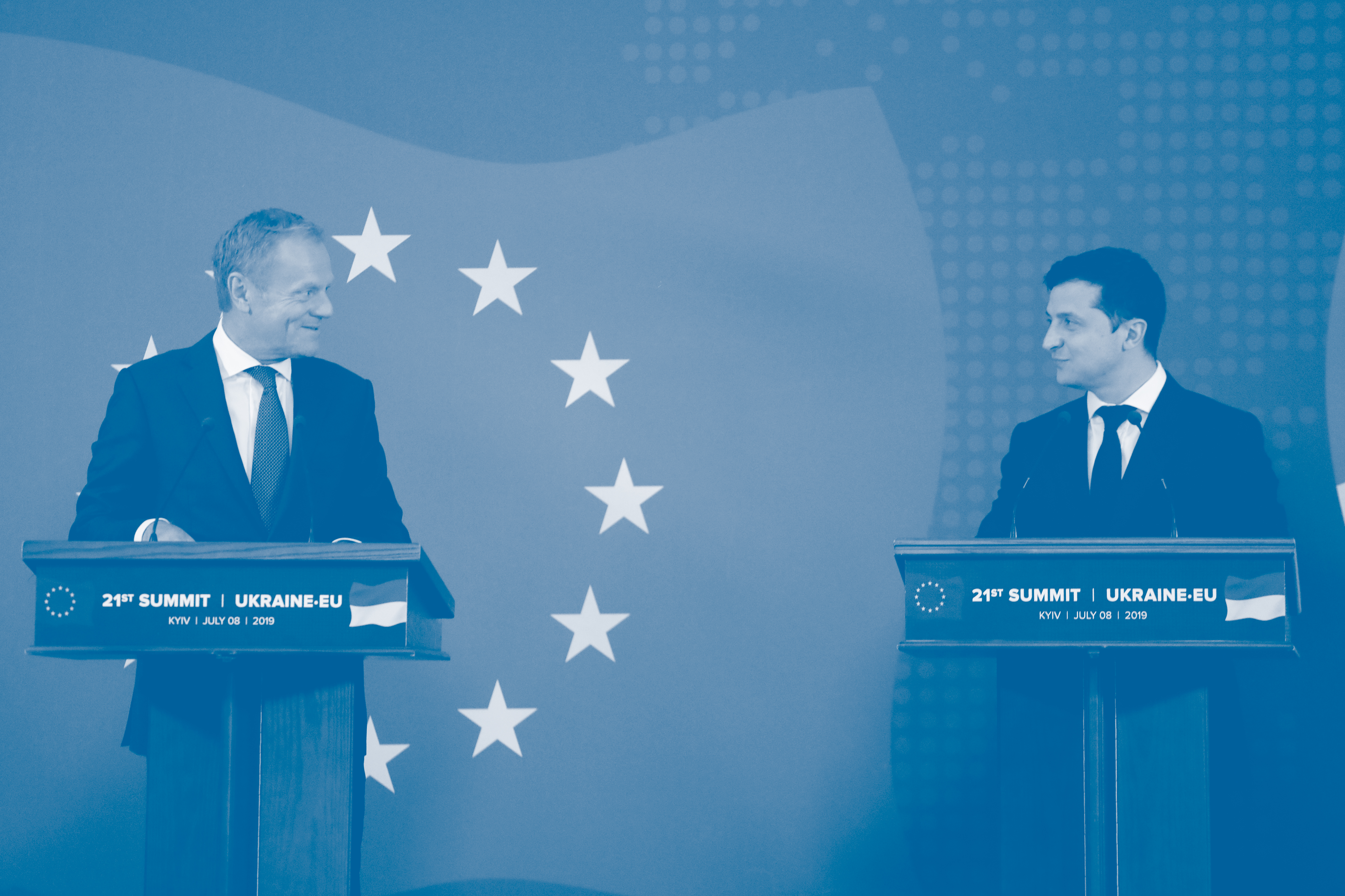
Many political experts both in and outside Ukraine have reacted negatively or very negatively to the meteoric political rise of Ukrainian comedian Volodymyr Zelensky. Indeed, Zelensky’s presidency could prove problematic in various ways. His 2019-2024 term as Ukraine’s head of state may prove to be an even more ambivalent enterprise than those of the other two top contenders in this year’s presidential elections, the opposition leader Yulia Tymoshenko and the former president Petro Poroshenko, would have been. Still, for all the apt scepticism, there is also – as in the case of certain positive aspects of Tymoshenko’s and Poroshenko’s unsuccessful bids for president – a bright side to Zelensky’s victory. One can identify at least three major risky or negative, but also three relatively encouraging dimensions of his rule.
Tue
Aug
20
By Mykola Kapitonenko | Kiev
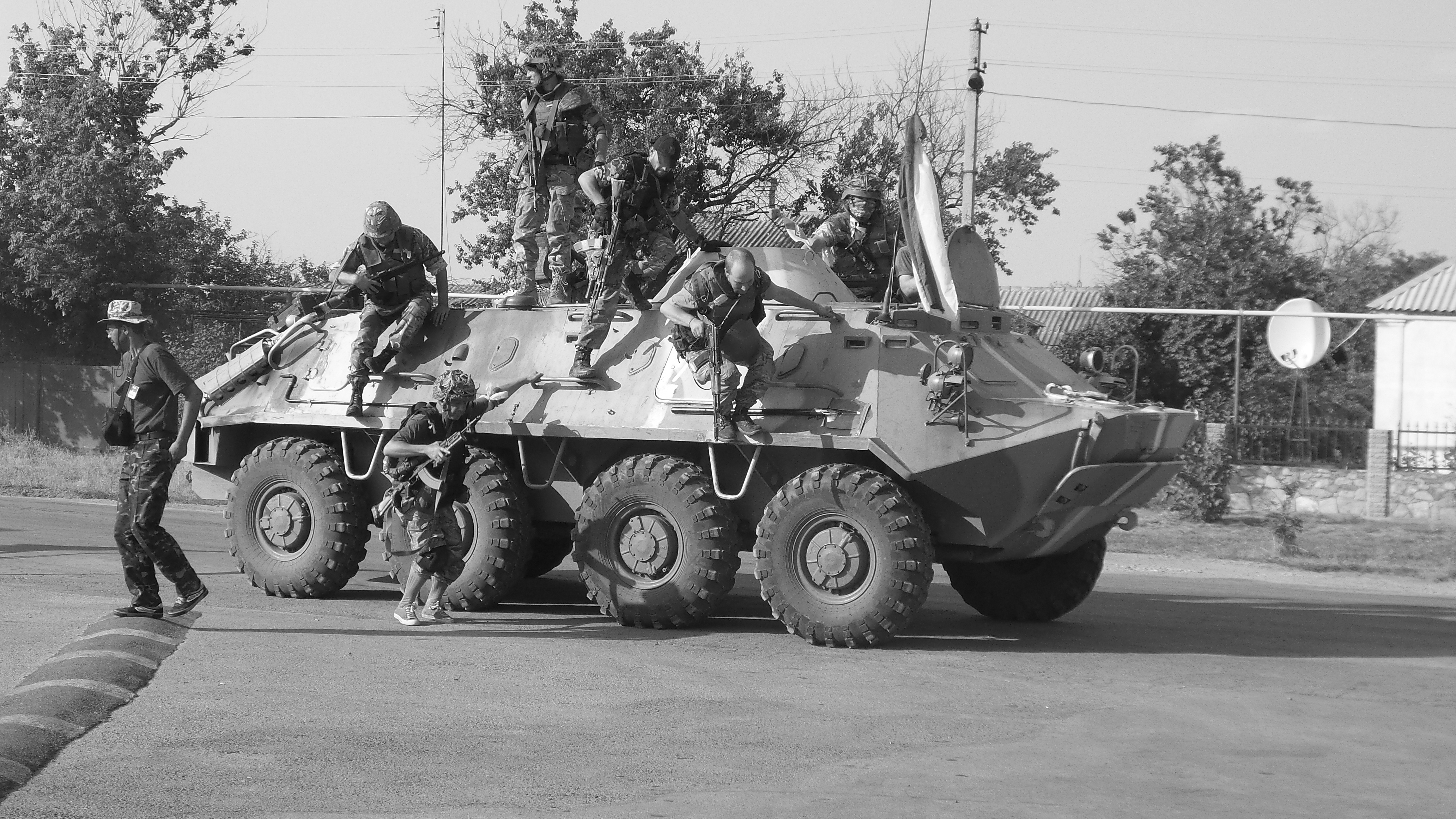
In the pre-election rhetoric used by all the front-runners in Ukraine’s presidential campaign, issues of national security and foreign policy ranked high. The conflict – referred to by many as ‘war’ – with Russia, the question of annexed Crimea, aspirations for NATO and EU membership, became topics of specific concern and points for emotional political discussions. The overwhelming majority of presidential candidates – there were 39 on the list in total – highlighted the restoration of the country’s territorial integrity and moving closer to EU and NATO membership as their foreign and national security policy priorities.
Tue
Aug
20