Rule of law after a decade of Eastern Partnership. Let’s talk political change!

By Corina Rebegea|Washington D.C.

The European Union’s Eastern Partnership Program (EaP) has just turned 10. There were celebrations, but also less congratulatory assessments of how far the six countries have actually gone in their democratic and economic development as a result of this framework. According to the less optimistic evaluations of the EaP’s success, the mechanisms and leverage employed by the EU are insufficient or inadequate to sustain long-lasting reforms, in particular when it comes to the important areas of rule of law and anticorruption agenda. This has caused many analysts to question the true impact of the EU’s involvement in domestic reform processes.

Beyond a DNA on steroids?

By Sidonia Bogdan | Bucharest

Anti-graft efforts are a must for all EU states and Romania has achieved remarkable progress in its fight against this scourge. Nonetheless, it has been a bumpy ride and Romania can become a textbook example of how hard it can be to implement such a strategy at state level. Strengthening institutions, steadily promoting uncompromised magistrates in key positions, fighting back against political pressure on the judiciary and a keen eye for always respecting human rights are vital elements for the health of this process.

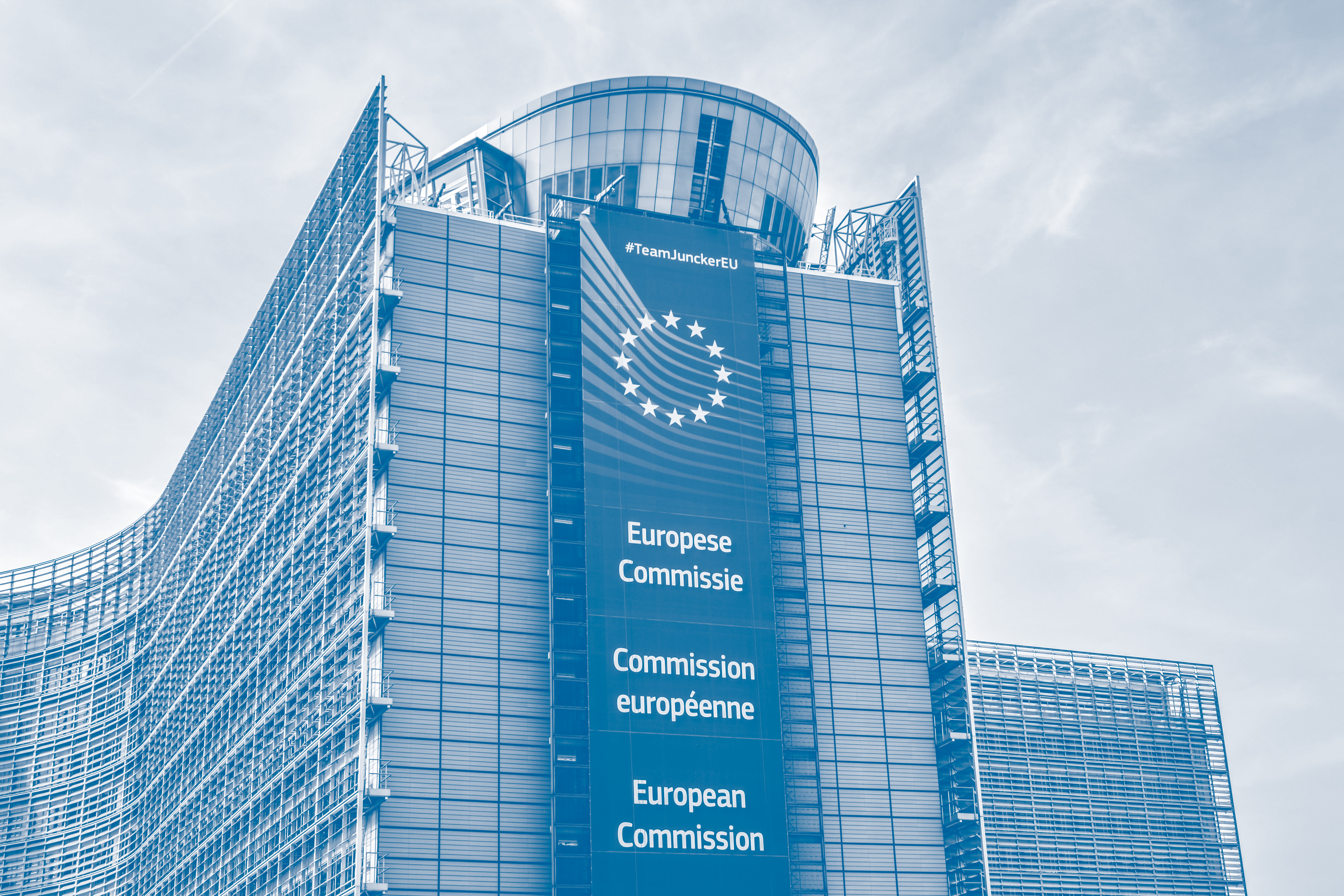
New European leadership

by Ana-Maria Luca and Octavian Manea

The outcome of the latest round of Euro-elections (May 2019) was instrumental in the reconfiguration of the European leadership. For the first time in 40 years the European People’s Party (EPP) and the group of Socialists and Democrats (S&D) did not win enough seats to form a comfortable majority. The new political circumstances made the election of the Spitzenkandidat impossible.

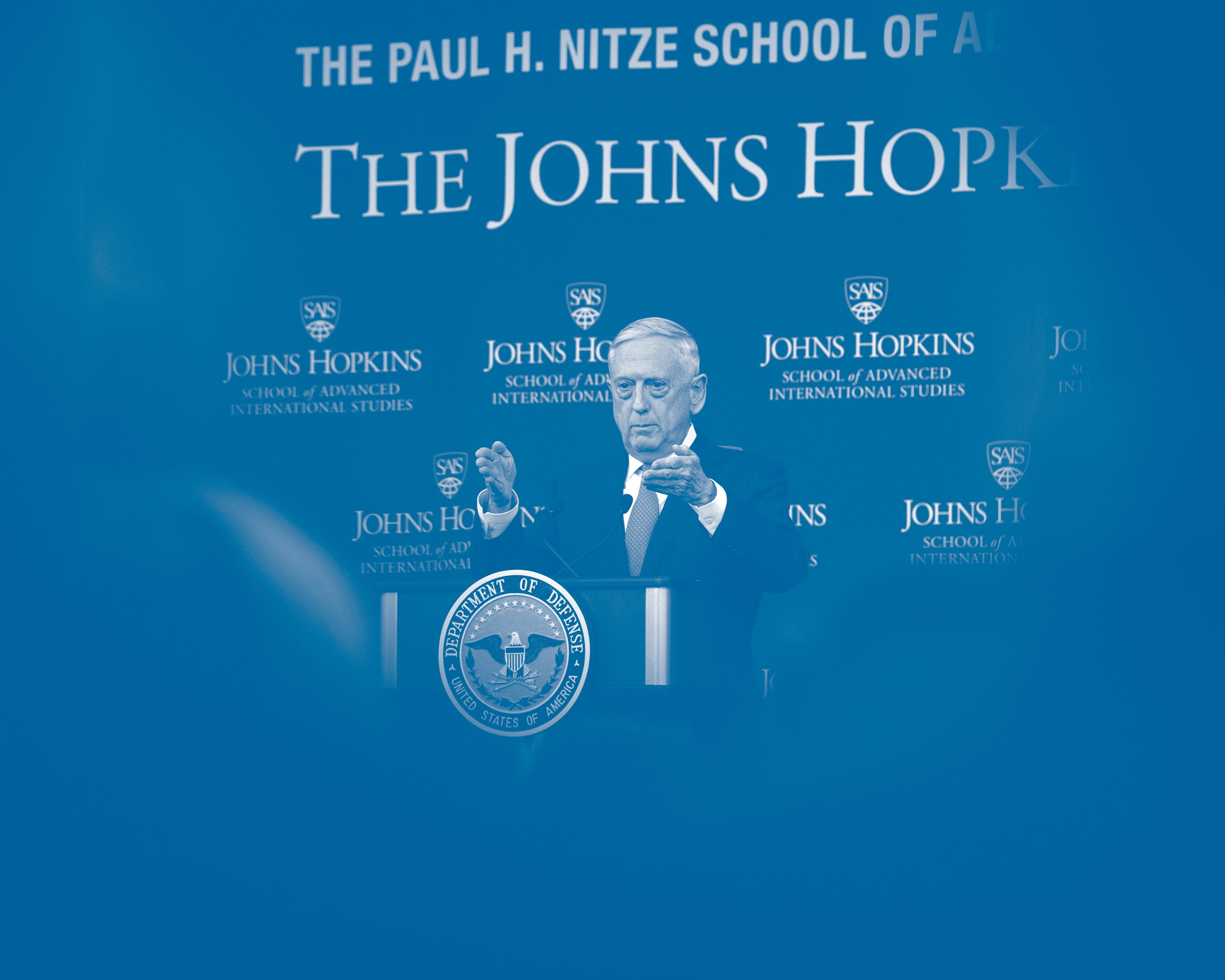
“The US has an enduring interest in preventing Europe from falling under a potentially hostile hegemon”

Interview with Elbridge Colby, Director of the Defense Program at the Center for a New American Security. He was Deputy Assistant Secretary of Defense for Strategy and Force Development from 2017 to 2018, during which time he served as the lead official in the development of the 2018 National Defense Strategy (NDS) and the DOD’s principal representative in the development of the 2017 National Security Strategy (NSS).

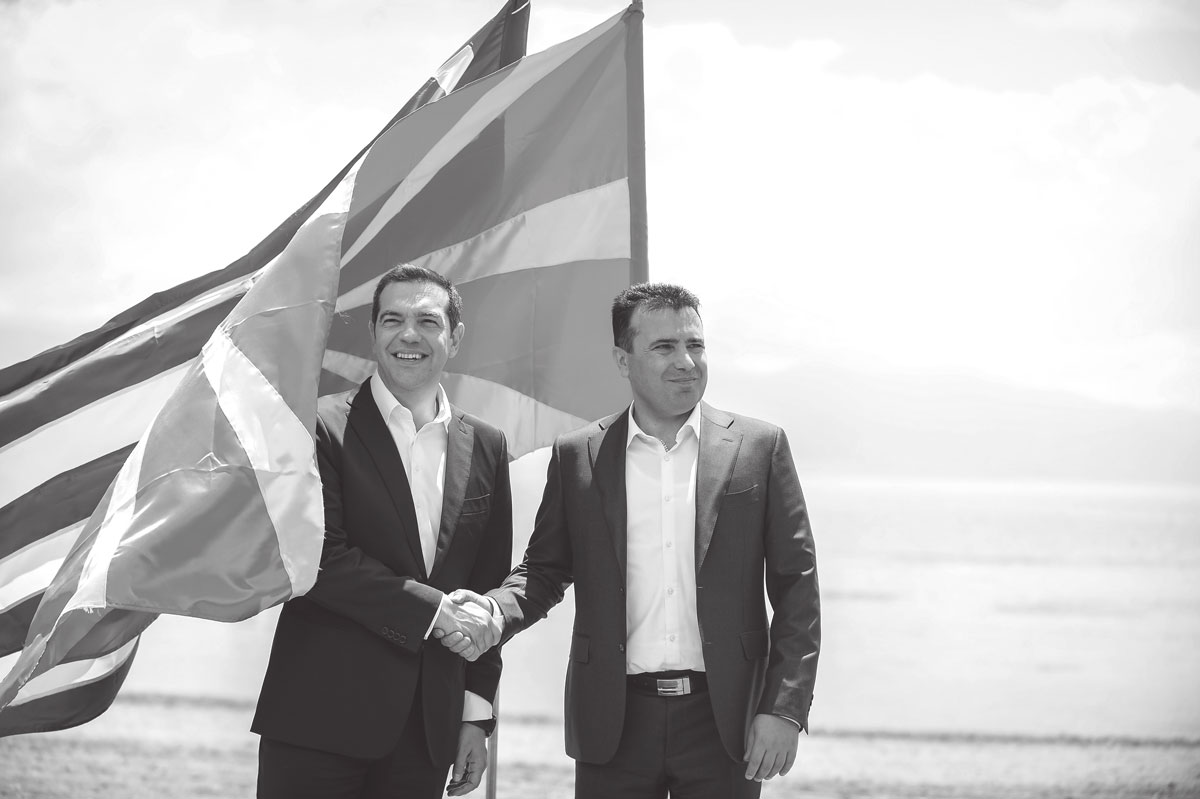
“The EU accession process is a coaching exercise to transform North Macedonia into a proper European democracy”

Interview Nikola Dimitrov, Minister of Foreign Affairs, Republic of North Macedonia.
You have reached a historic agreement with your Greek counterparts on the name issue. But has it come at the wrong time for the EU? There seems to be a sense of panic in Brussels that whatever is to happen about the Western Balkans needsto happen before the European elections or it may not happen at all, if the populists and nationalists register significant wins. Are you going to have enough support from within the EU as you implement the reform process?

Time to learn from what has worked

By Kristof Bender | Vienna

The EU accession process can inspire reforms, increase prosperity, strengthen democracy and help transform the politics of the Western Balkans. In order to achieve this, it needs to be credible and fair. It needs to provide clear guidance to politicians, inspire civil servants and help them to focus, and signal to civil society where a country stands in any given area of reform. Currently the EU accession process does not achieve this.