
The digitalisation of political campaigning has rapidly transformed the democratic political processes. Online political advertising has not only opened up new possibilities for democratic dialogue and creative engagement, but it has also become a relatively cheap and easy way of amplifying information manipulation.
GlobalFocus Center partnered again last year with Globsec (Bratislava) for the fifth edition of GLOBSEC Trends 2020, assessing current perceptions in Romania towards a wide range of issues: from Covid-19 health crisis, all the way to the nature of relations Romania entertains with international powers like US, Russia or China.
As disinformation became more prevalent during the pandemic, a certain lack of coherent policies addressing it became more visible. We found out that 39% of Romanians are believing in one or more Covid-19 related conspiracies. We have also found out that only 26% of the Romanians are believing to be represented by the traditional political elites*.
Thu
Dec
17

“Disinformation about Romanian-Hungarian relations as presented in Romanian mainstream and social media is primarily an illustration of home-grown mistrust between two communities lacking proper dialogue and knowledge of each other, a mistrust that, in addition, was historically cultivated as an instrument of manipulation during the decades of communism”
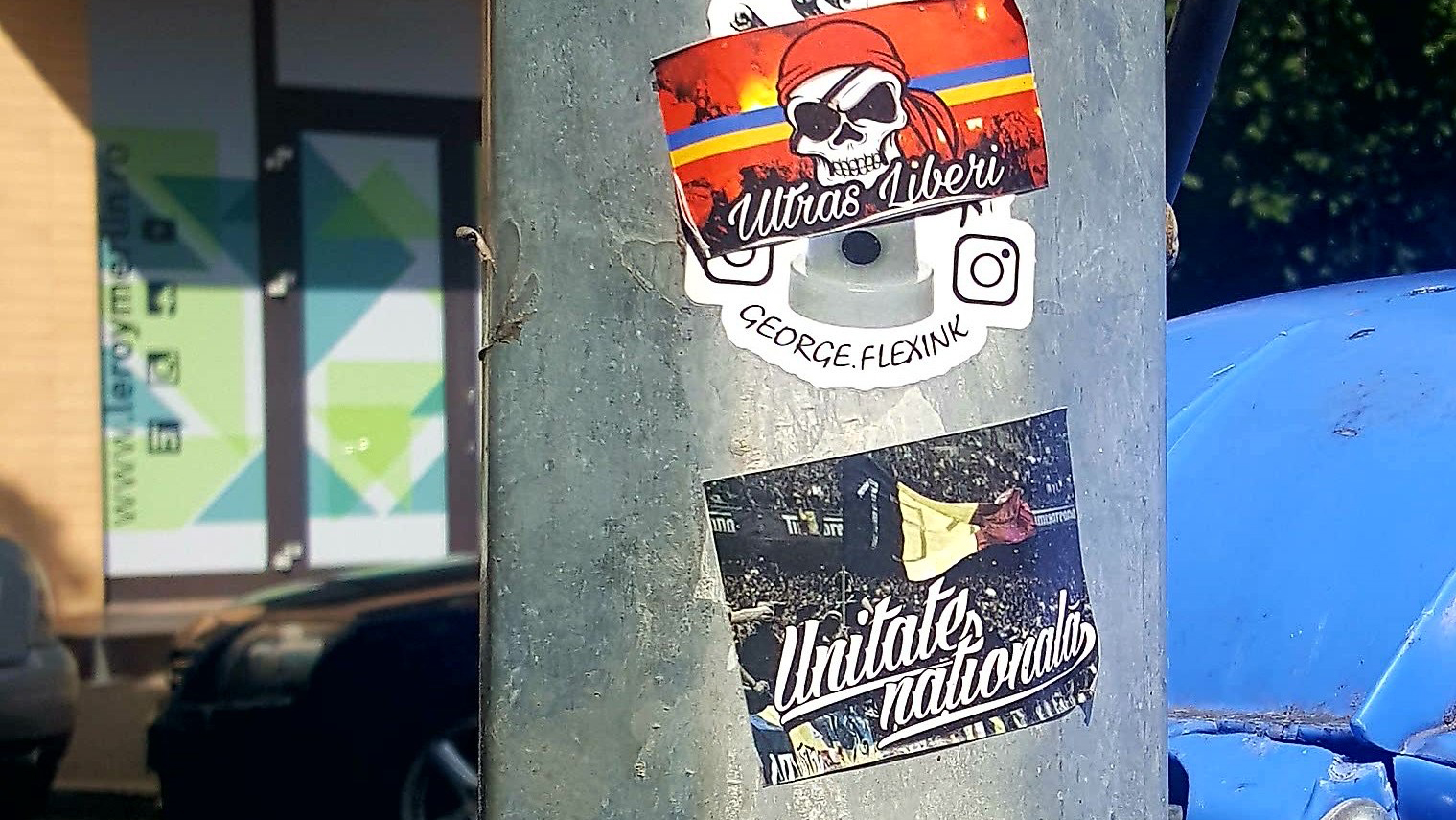
This article is summarising the conclusions of a research conducted over the Romanian mainstream and social media, seeking to identify the presence of secessionist and revisionist narratives, what are the conditions facilitating their presence, and who are the actors benefiting. The research was part of the project Revealing Russian disinformation networks and active measures fuelling secessionism and border revisionism in the CEE, conducted under the supervision of Political Capital, Budapest
The following publication presents the findings of GlobalFocus Center and its regional partners’ monitoring of disinformation in 17+ countries in Central and Eastern Europe, the Baltics, Russia, the Eastern Partnership and Western Balkans. This overview provides a synthetic image of the COVID-19-related disinformation and misinformation in the broader region.
The six countries in the Western Balkans region – Albania, Bosnia and Herzegovina (BiH), Kosovo, Montenegro, North Macedonia and Serbia vary to a degree in their Euro-Atlantic affiliations. Functional and structural weaknesses within these countries open doors for foreign hostile actors to project their influence on the WB public.