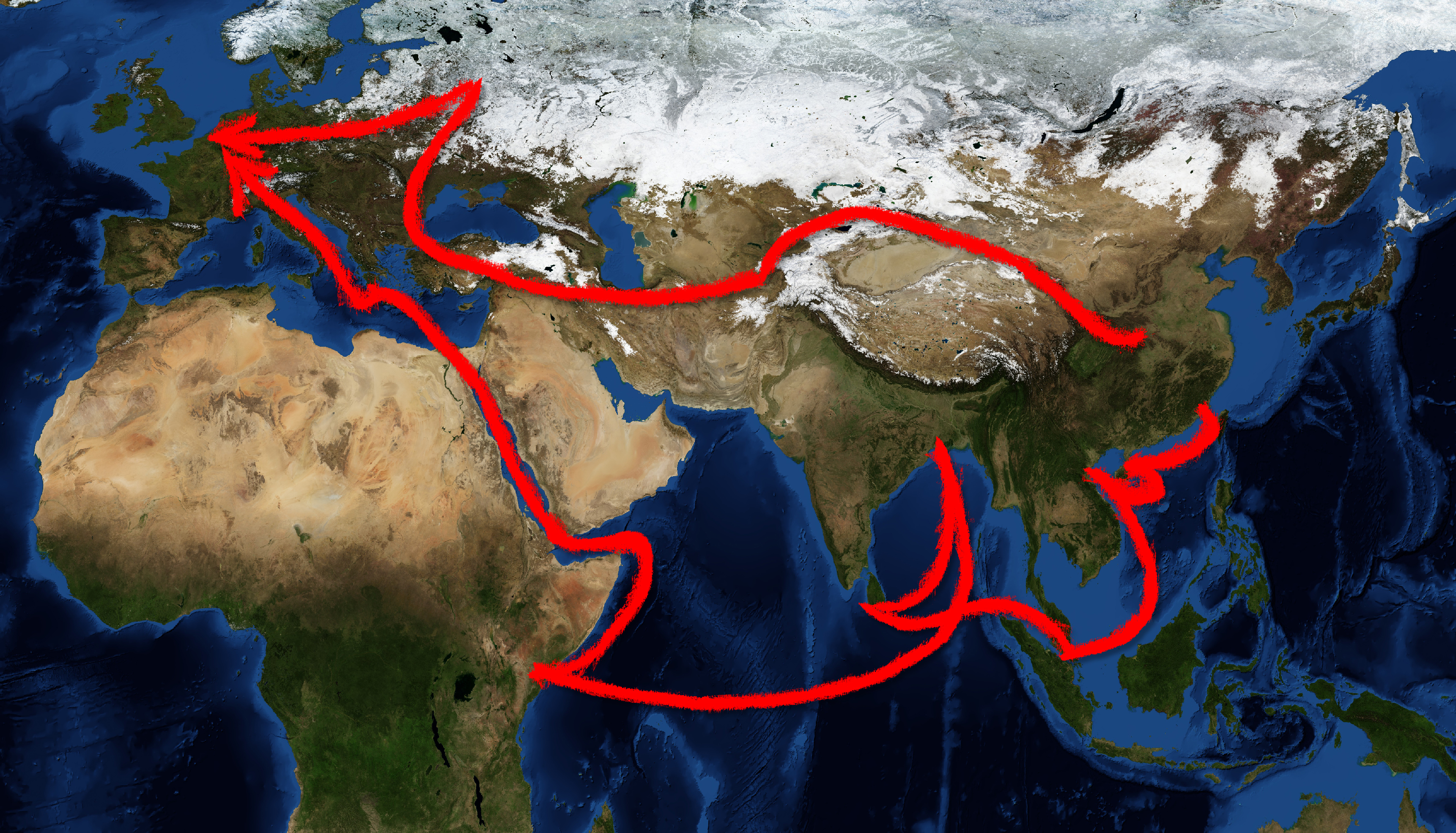

‘Russian Disinformation in Slovakia: an Experimental Approach’ is a study conducted by Roman Hlatky, as part of the GlobalFocus Focus fellowship program supported by the Open Information Partnership and Black Sea Trust.
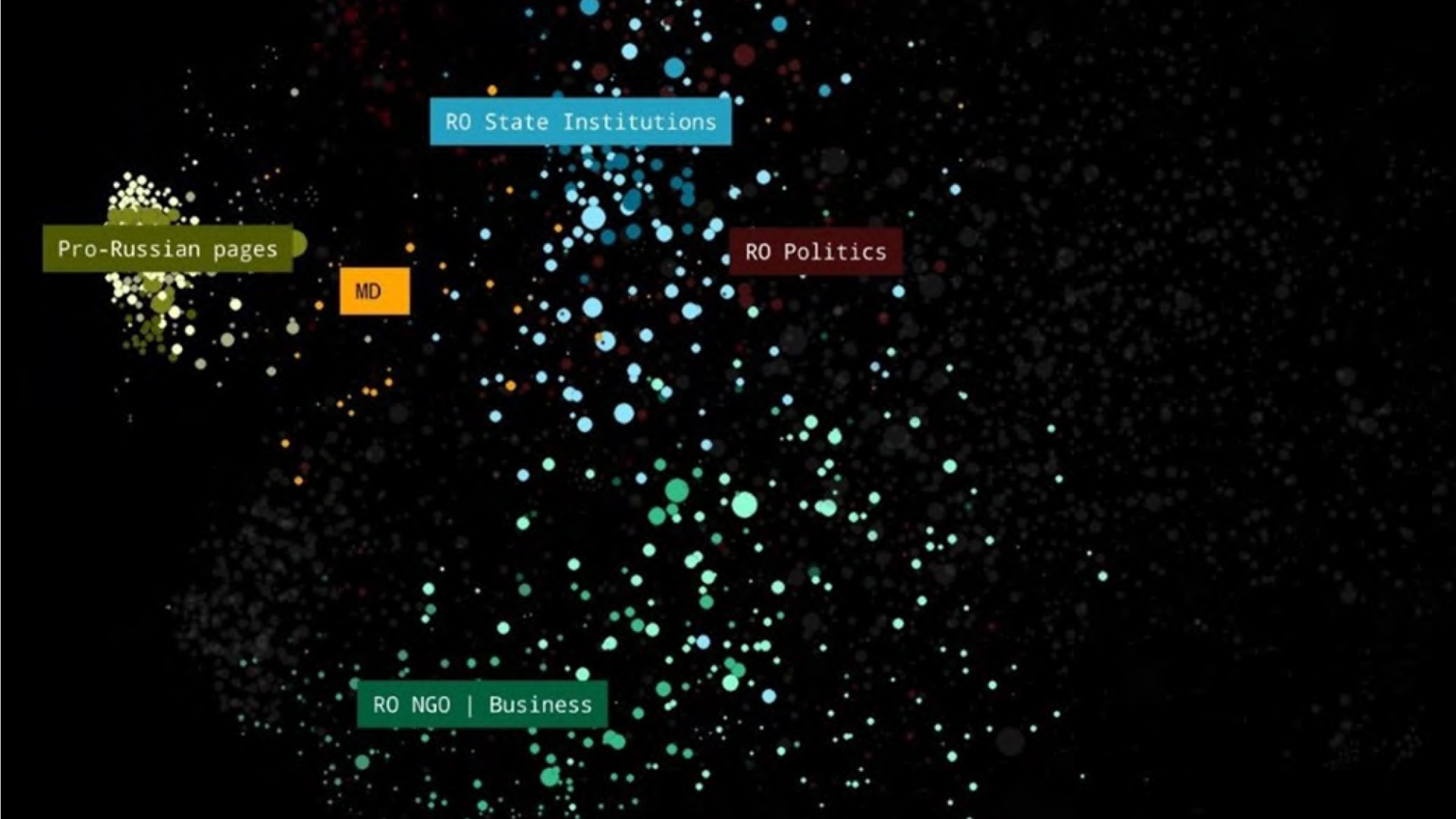
An analysis of 4,741 public pages populating Romania’s Facebook universe has revealed that the rather limited influence of overt pro-Russian outlets in Romania has not discouraged the Kremlin from speculating local, like-minded individuals and organisations in promoting a divisive narrative targeting mainly our trans-Atlantic orientation and EU membership.
Fri
May
28
In this paper, GlobalFocus Center fellow Ovidiu Raețchi reframes the intriguing relationship recently developed between traditional regional adversaries Russia and Turkey as one of competitive cooperation. Make no mistake, he argues: the element of competition remains; the presidential choreographies, however, point to an informal agreement at the highest level, between Putin and Erdogan, to avoid any serious deterioration of relations, each of them considering that one has more to lose if he makes the other vulnerable and obtains geopolitical gains at the other’s expense.
Ovidiu Raețchi is an expert on Middle Eastern politics and history and a former vice-chair of the Committee on Defence, Public Order and National Security of the Chamber of Deputies in the Romanian Parliament.
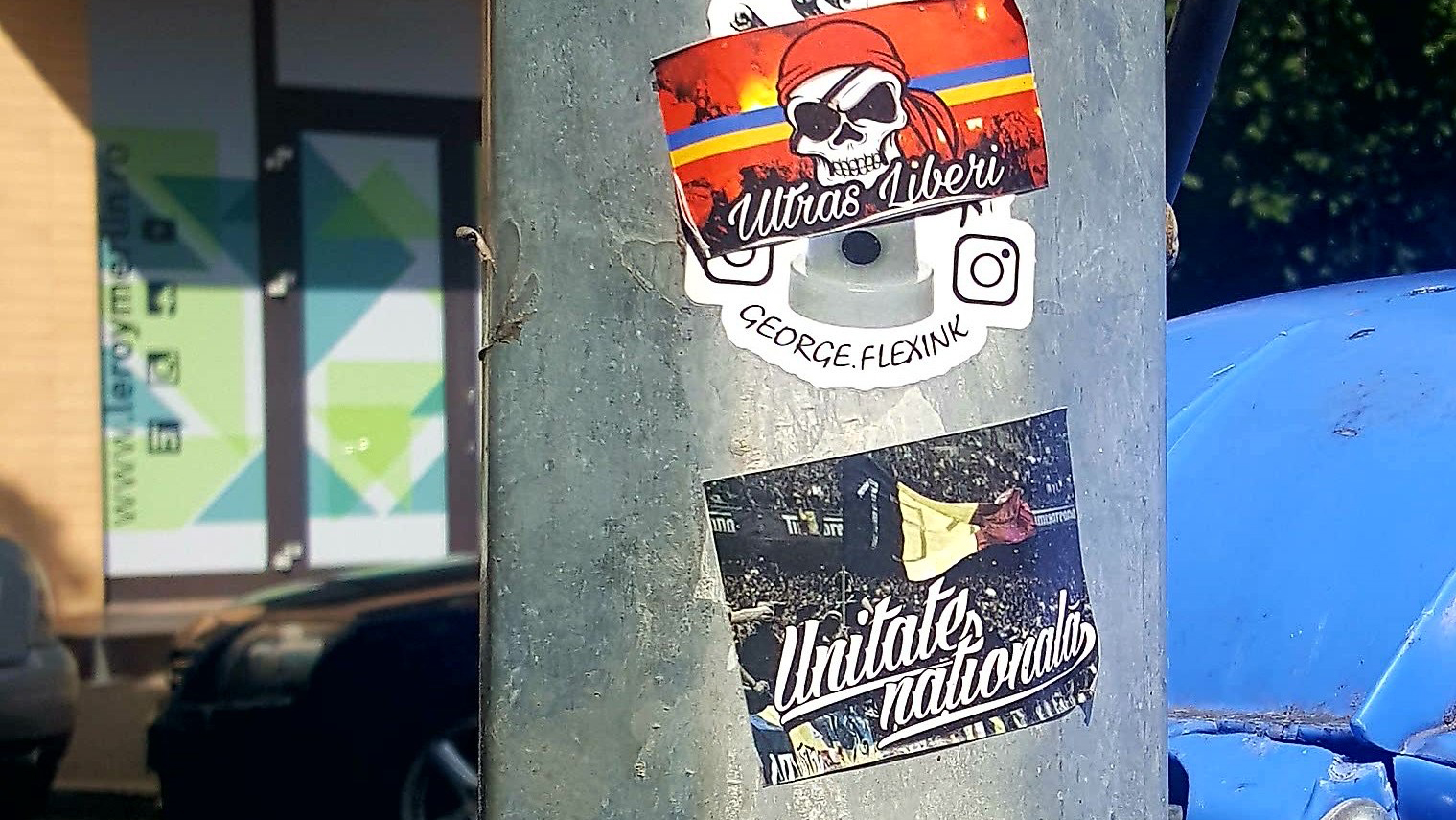
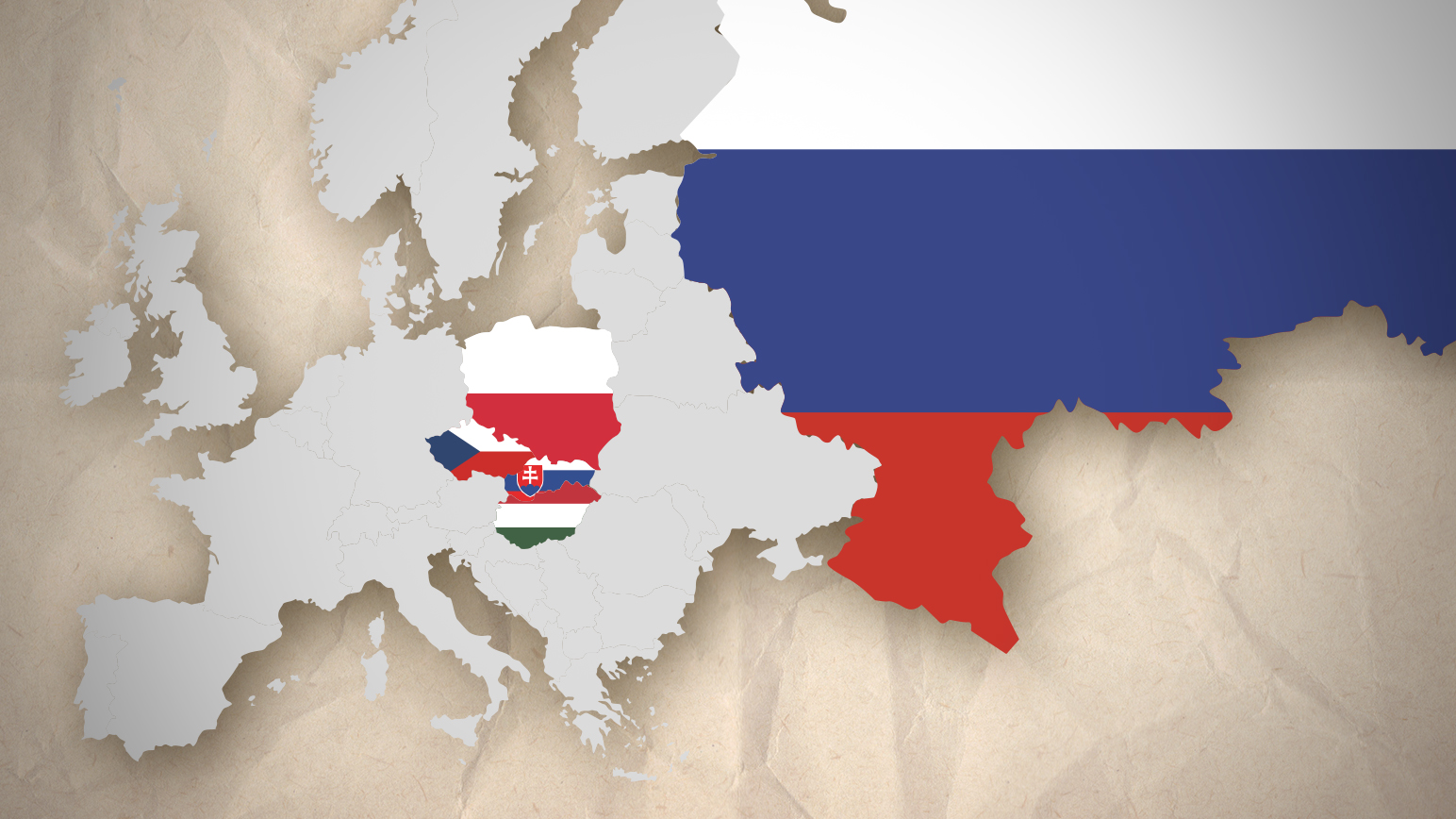
This article is summarising the conclusions of a research conducted over the Romanian mainstream and social media, seeking to identify the presence of secessionist and revisionist narratives, what are the conditions facilitating their presence, and who are the actors benefiting. The research was part of the project Revealing Russian disinformation networks and active measures fuelling secessionism and border revisionism in the CEE, conducted under the supervision of Political Capital, Budapest
Sun
Dec
01