By Hamdi Firat Buyuk| Sarajevo
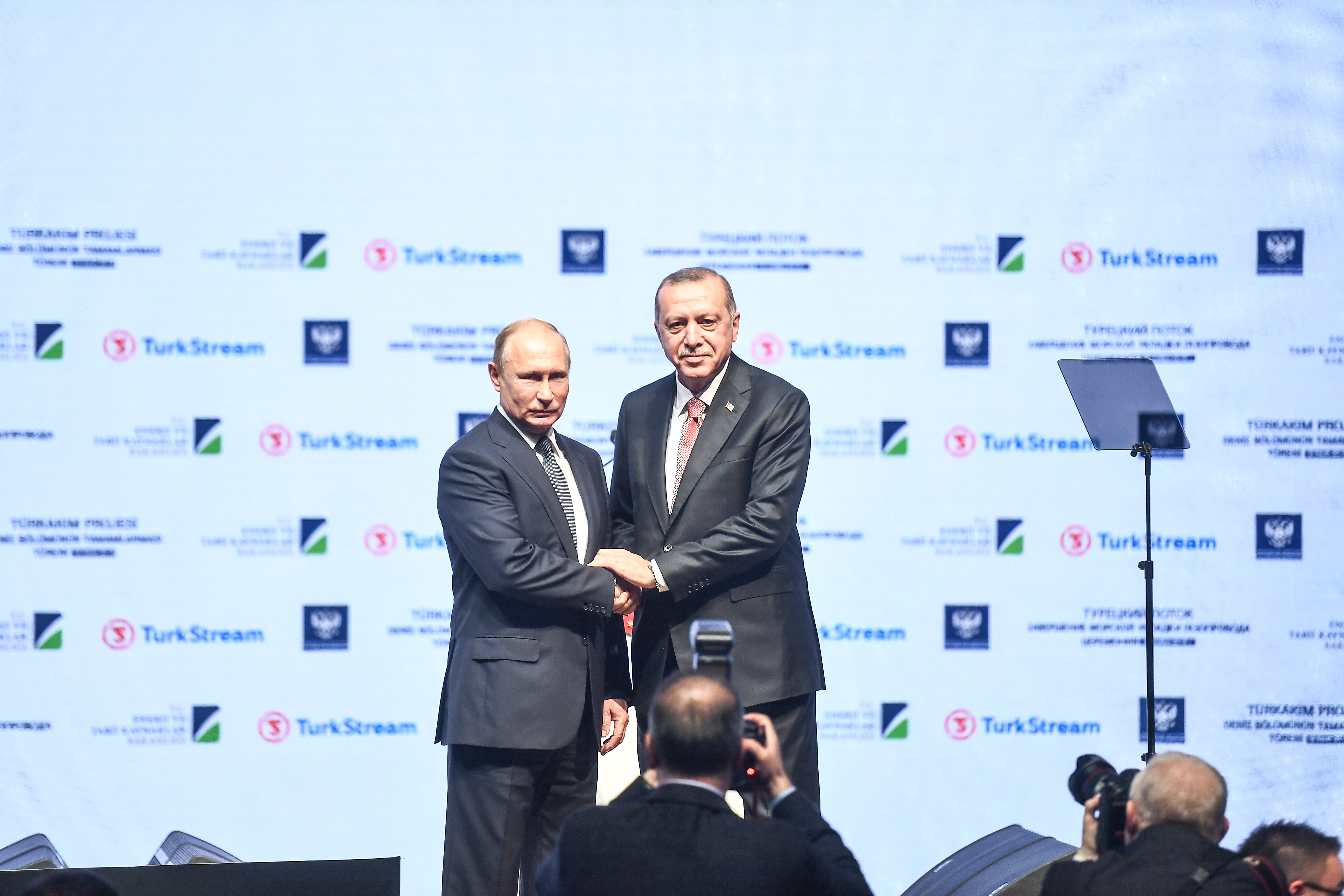
Erdoğan’s defeat in local elections signals his weakening in domestic politics, while Turkey is becoming Russia’s political hostage in its foreign policy, as the Kremlin’s hand strengthens.
By Mykola Kapitonenko | Kiev
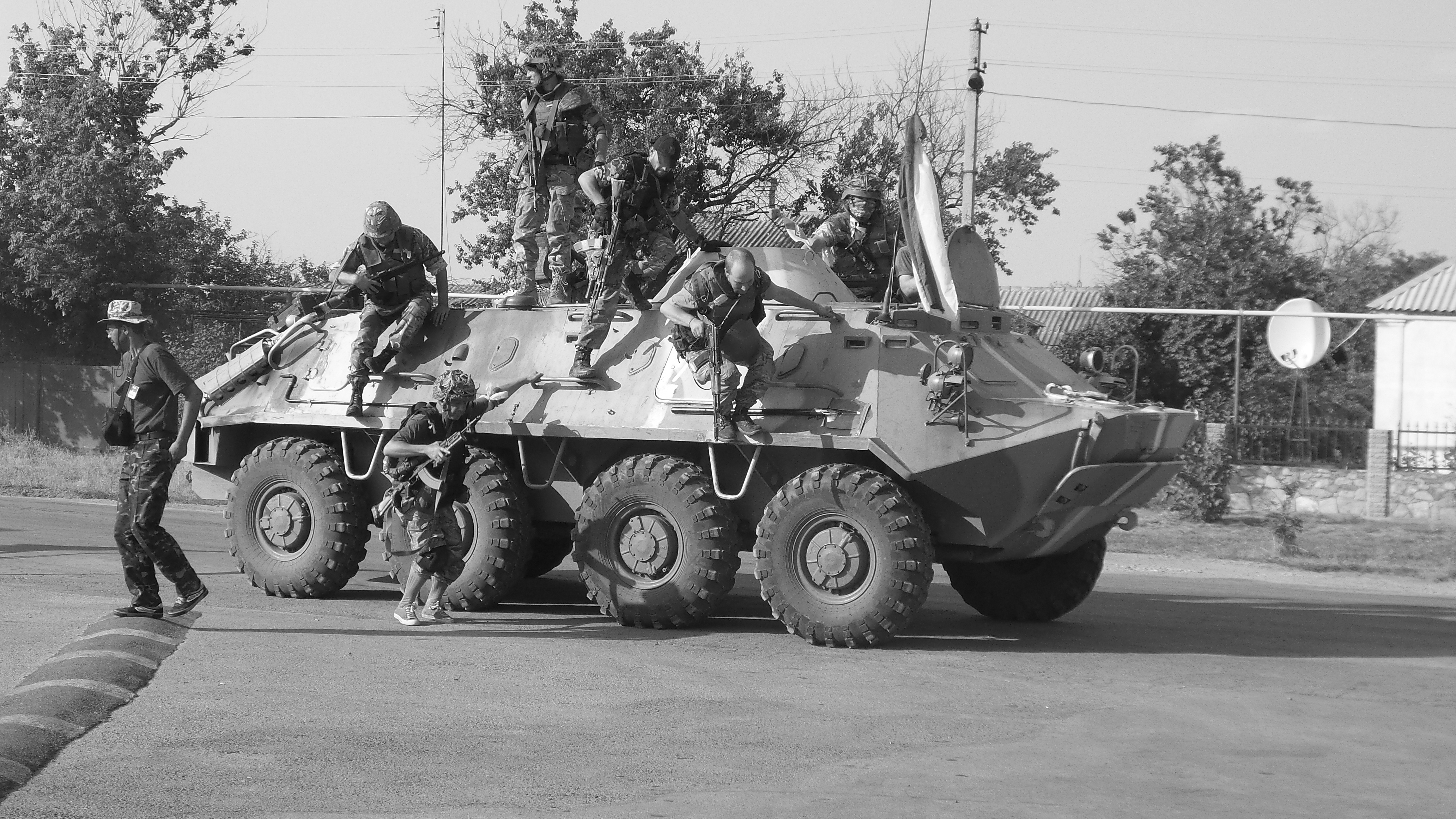
In the pre-election rhetoric used by all the front-runners in Ukraine’s presidential campaign, issues of national security and foreign policy ranked high. The conflict – referred to by many as ‘war’ – with Russia, the question of annexed Crimea, aspirations for NATO and EU membership, became topics of specific concern and points for emotional political discussions. The overwhelming majority of presidential candidates – there were 39 on the list in total – highlighted the restoration of the country’s territorial integrity and moving closer to EU and NATO membership as their foreign and national security policy priorities.
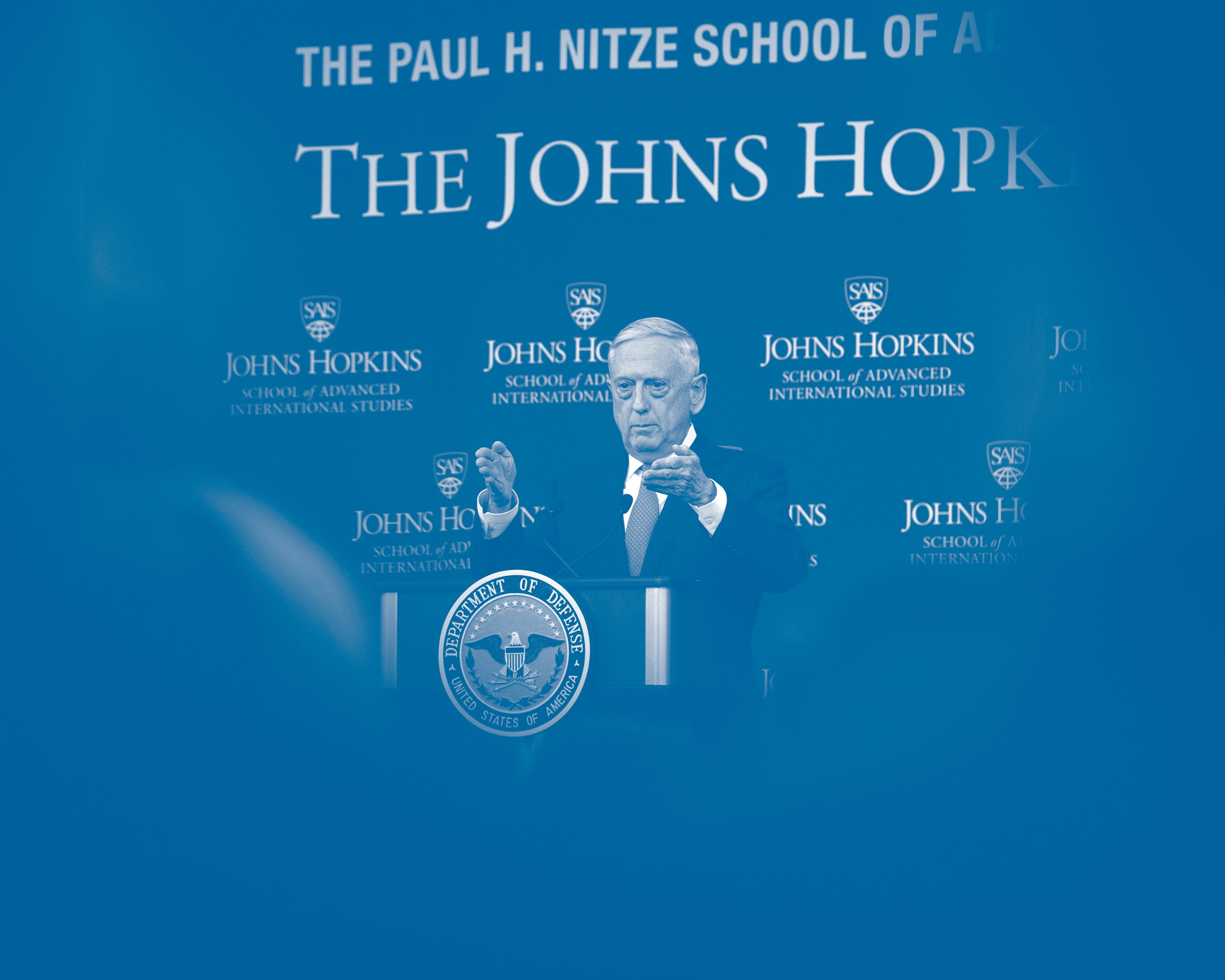
Interview with Elbridge Colby, Director of the Defense Program at the Center for a New American Security. He was Deputy Assistant Secretary of Defense for Strategy and Force Development from 2017 to 2018, during which time he served as the lead official in the development of the 2018 National Defense Strategy (NDS) and the DOD’s principal representative in the development of the 2017 National Security Strategy (NSS).
By Iulia-Sabina Joja | Berlin
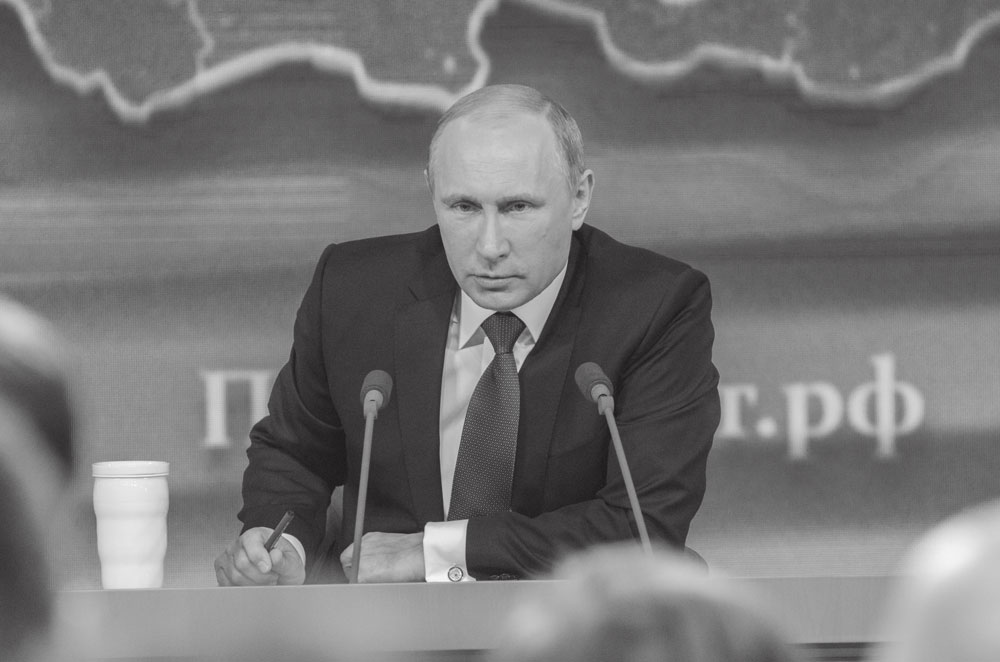
Russia’s foreign policy is President Vladimir Putin’s foreign policy. It’s a one- man show. This is partially due to the super-presidential system of the country. However, it is also a one-man show because Vladimir Putin himself, now in his fourth term, has a firm grip on his country and a strong vision for foreign policy. Hence, when endeavouring to scrutinise Russian foreign policy, we have to analyse Putin’s discourse and actions.
By Claudia Ciobanu | Bucharest, Warsaw, Brussels, Zagreb
At Saint Spyridon the New Church, the largest Orthodox church in Bucharest, the priest had an important message for his congregation.