“The US has an enduring interest in preventing Europe from falling under a potentially hostile hegemon”

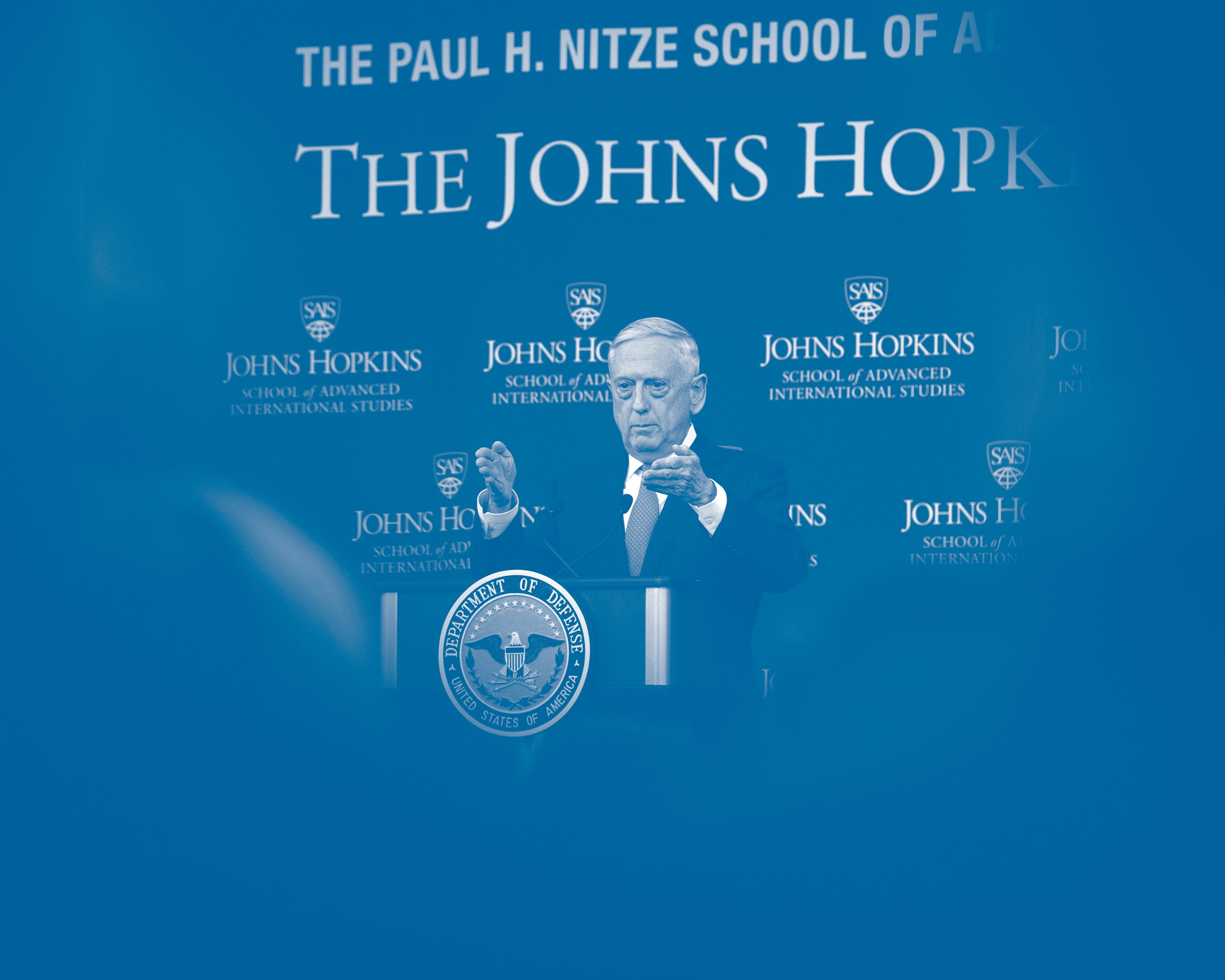
In the context of the recent US National Security Strategy, we bring to your attention an interview with undersecretary of war for policy Elbridge Colby, largely credited with its conceptual paternity. The interview was conducted by our colleague Octavian Manea and published by GlobalFocus Center in 2019 on its editorial platform Eastern Focus.

Interview with Elbridge Colby, Director of the Defense Program at the Center for a New American Security. He was Deputy Assistant Secretary of Defense for Strategy and Force Development from 2017 to 2018, during which time he served as the lead official in the development of the 2018 National Defense Strategy (NDS) and the DOD’s principal representative in the development of the 2017 National Security Strategy (NSS).

“Winning the Space Race” & Victimising Russia. Kremlin propaganda in Romanian public cinemas

June 2024

Summary

Promoting open pro-Russian propaganda in Romania is traditionally difficult due to the general opposition of Romanians to Russian imperialist politics. Particularly, the war in Ukraine has accentuated this, stirring in the minds of the majority of Romanians concerns about a potential invasion.

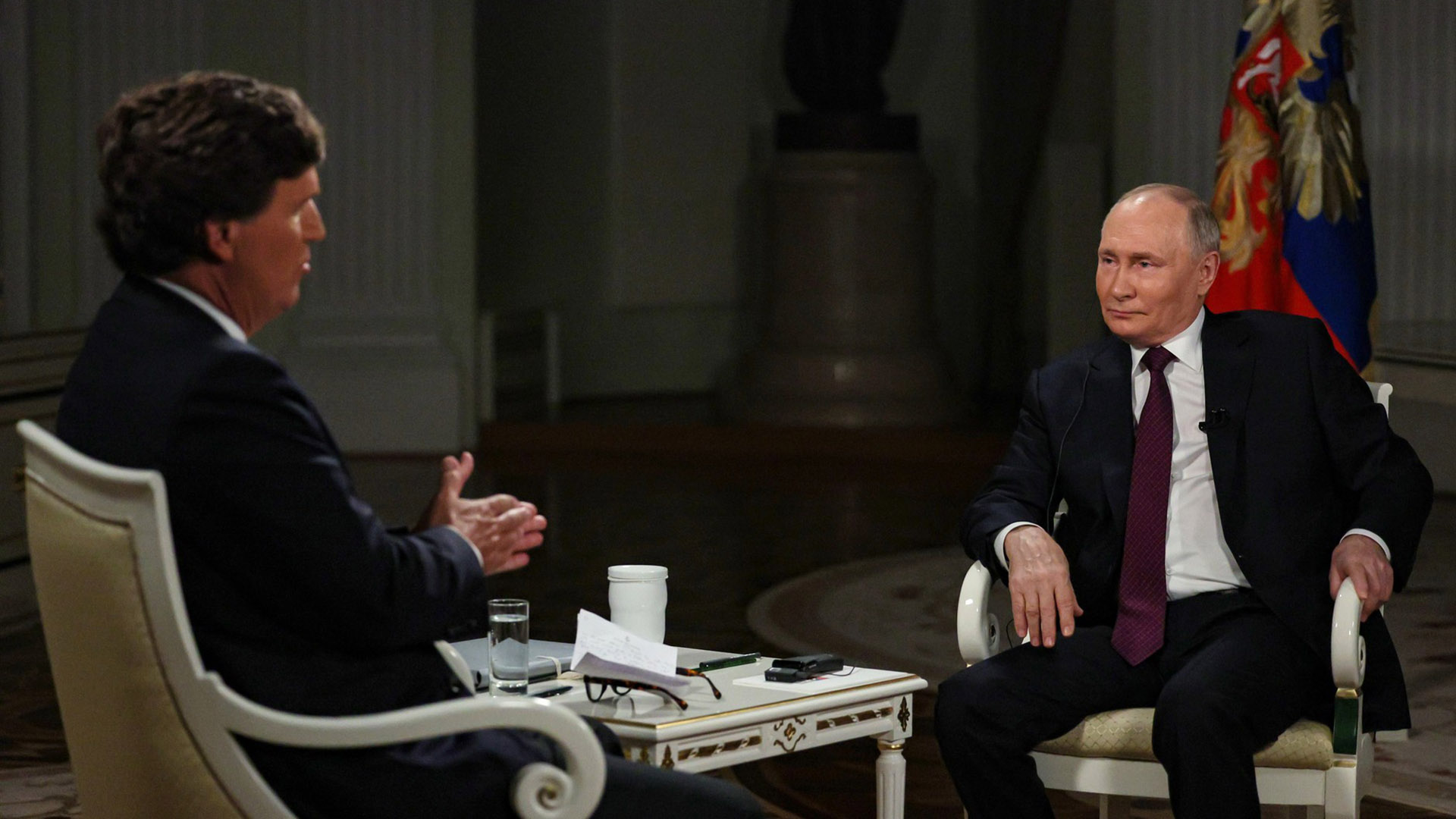
Reflection of the Tucker Carlson – Vladimir Putin interview in Romania

April 2024

Context

Tucker Carlson, the television host, conducted a two-hour interview with Vladimir Putin, the President of the Russian Federation[1]. This discussion took place in Moscow on February 6, 2024. The central topic of the interview was the justification for Russia’s invasion of Ukraine. Putin presented perspectives related to the history of Russia and Ukraine, while Carlson avoided critical questions and avoided seeking clarifications.

Youth radicalisation in Romania – How far-right actors target Romanian youth ahead of the 2024 elections

2024 marks the biggest electoral year yet for Romania, with European, local, parliamentary and presidential polls scheduled to take place on the background of significant domestic and global challenges, with the potential to further destabilise and polarise society. The rise of far-right and right-wing populists, correlated with a surge of disinformation related to the COVID-19 pandemic, the full-scale invasion of Ukraine and the Israel-Hamas war, has reached an otherwise politically overlooked segment of the population – young people. Feeling unrepresented and severed from the political discourse, Romanian youth is at significant risk of radicalisation, being particularly vulnerable to extremist voices that aim to capitalise on their frustrations and disengagement, while leveraging their preferred channels of information and communication with increasing efficiency. Social media and youth susceptibility to online echo chambers and influencers provide pathway for manipulation by malicious actors whose political agenda aligns – more often than not – with the Kremlin’s (anti-EU, anti-NATO, anti-Ukraine, pro-Russia).

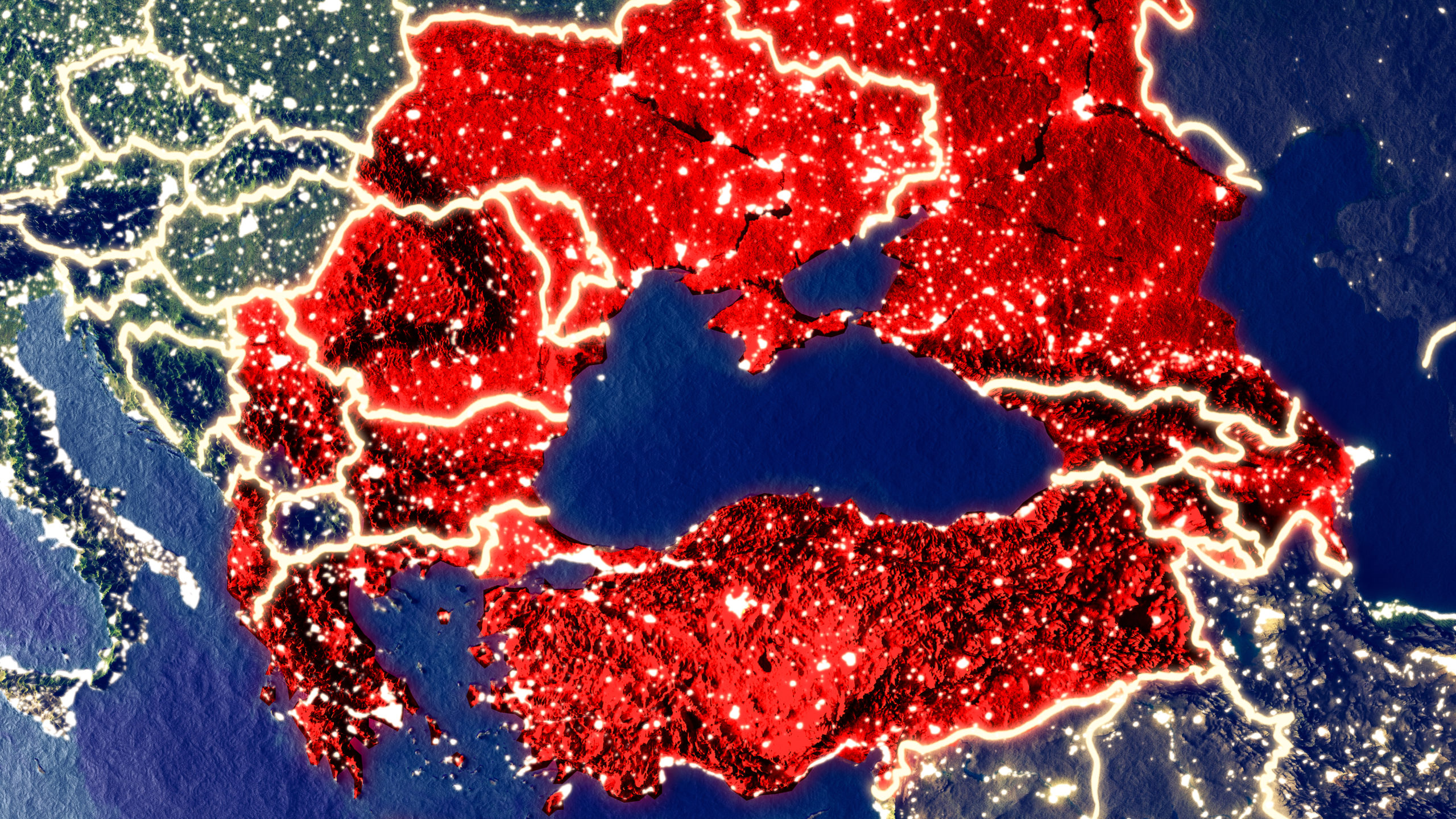
Security Cooperation in the Wider Black Sea Region. Bridging the Differences.

The Russian invasion of Ukraine in 2022 has triggered a seismic shift in the European security landscape, compelling NATO and the European Union to reassess and adapt their strategic priorities. The designation of the Black Sea as an area of key security concern by NATO reflects the urgent need for a comprehensive response to Russia’s unprovoked aggression. While the Southeastern flank is now receiving increased attention, the Black Sea region faces challenges in achieving the same level of intra-NATO and regional security cooperation seen in the Baltic Sea. 

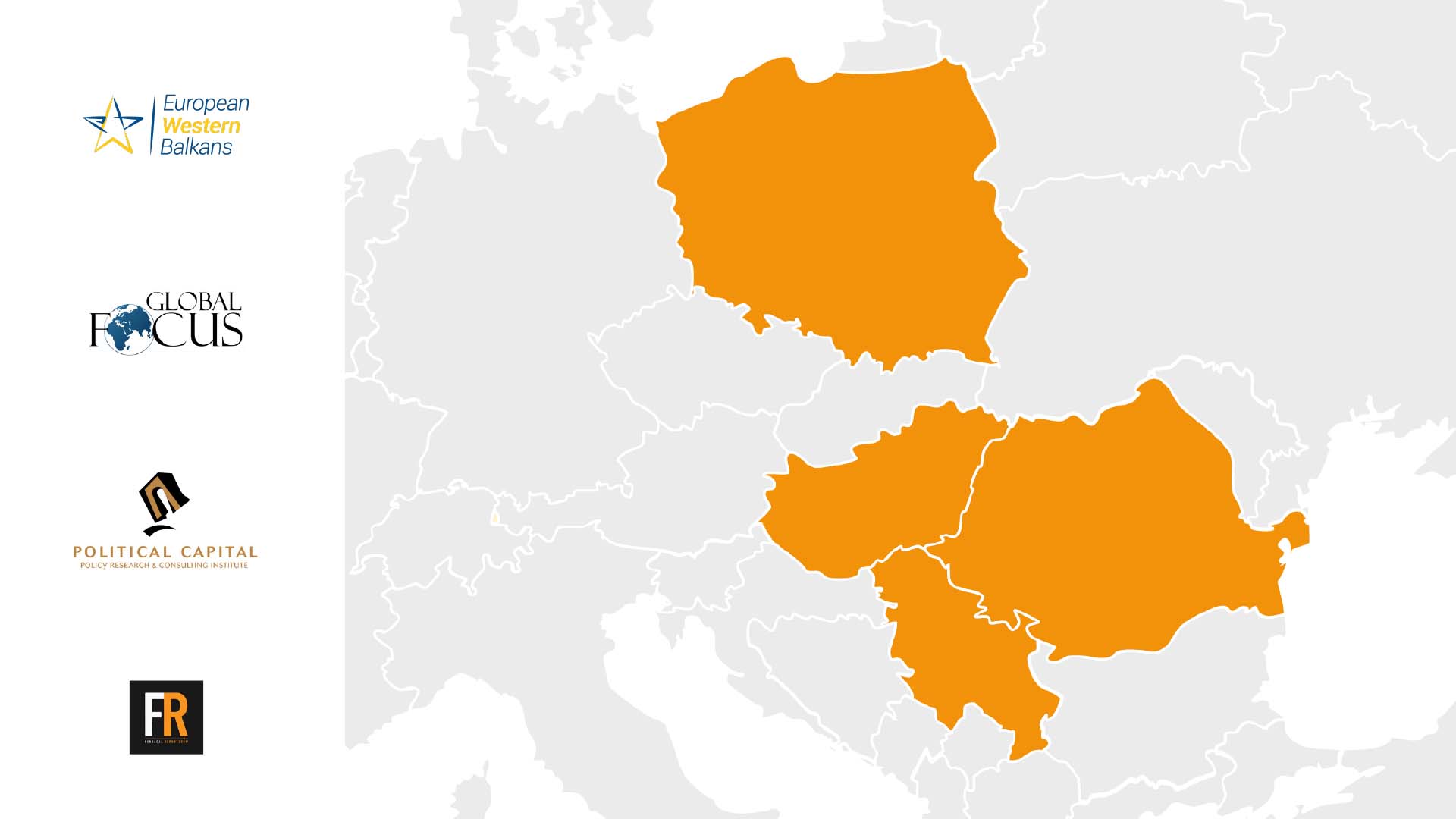
Propaganda Without Borders – A study of pro-Kremlin propaganda among far-right and radical voices in Hungary, Poland, Romania and Serbia

GlobalFocus Center (Romania) has partnered with Political Capital (Hungary) European Western Balkans (Serbia) and  Reporters’ Foundation (Poland), in a joint effort to check out how Ukraine-related disinformation is reflected and used within the far-right, ultra-nationalist and extremist communities to advance goals consistent with Russian interests.