

Russia’s full-scale invasion of Ukraine has opened a new front for disinformation and propaganda, to which Romania, both an EU and NATO member, has not been immune. The spread of anti-EU and anti-West narratives, typically in line with the Kremlin’s agenda, or even openly pro-Kremlin, has been a part of the Romanian public discourse and media landscape for years.
Fri
May
05

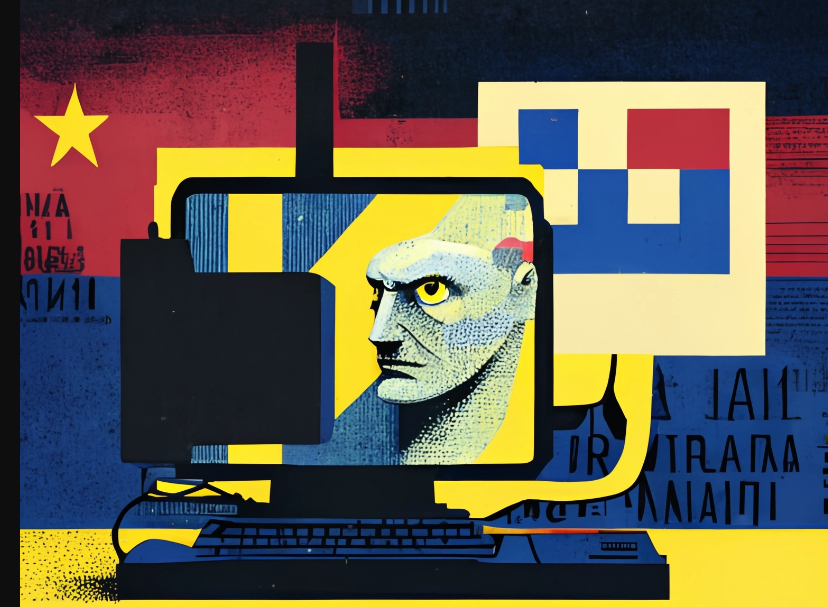

Despite the rise of TikTok and discussions about “freer” platforms such as MeWe or Telegram, Facebook remains the main platform for political debates in Romania. Facebook is also the platform for initiating radicalization. Radical channels on Facebook work to attract people with moderate opinions or those who are not politically socialized online, radicalize them, and then try to transfer them to other platforms.
In this – apparently favourable – environment, Diana Șoșoacă, far-right MP and outspoken Kremlin supporter, has experienced a spectacular drop in audience, from 22 million monthly views to mere thousands in just a few months.
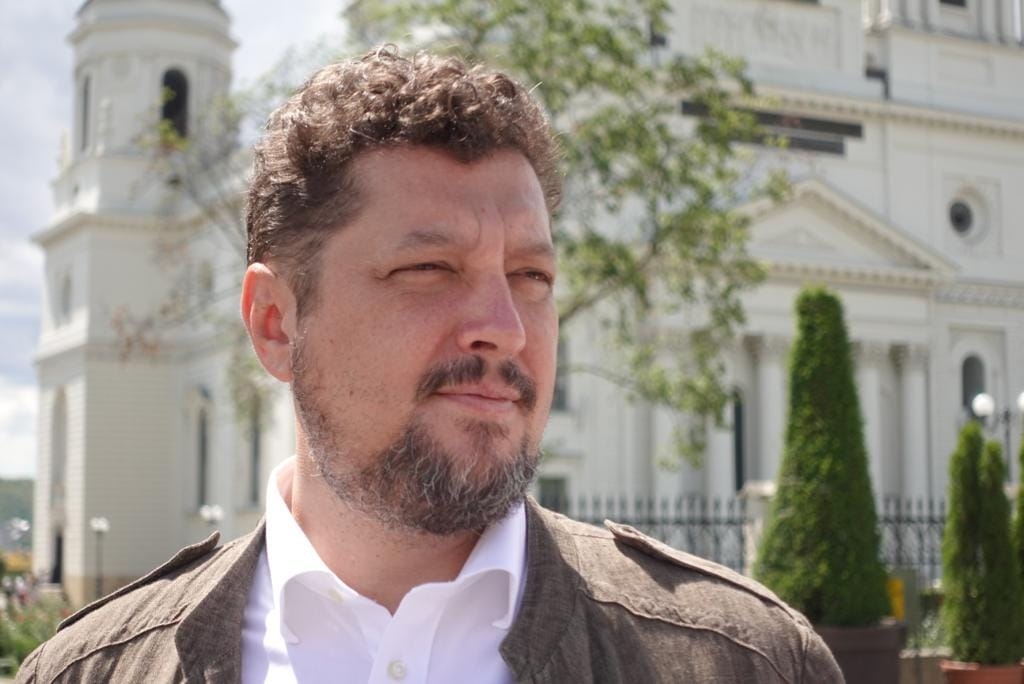
Ever since the beginning of the war, the far right has had to appease two constituencies. The more traditional far right had been historically opposed to Russia’s foreign policy: anti-communism and by extension opposition to Russia is the founding myth of the Romanian far-right. This goes way back to Corneliu Zelea Codreanu, leader of the interwar fascist movement The Iron Guard and Ion Antonescu, interwar prime-minister allied with Hitler. The far-right will often justify their deeds (including hate and war crimes) by the need to resist Soviet / Russian influence. Also, the vast majority of Romanians do not sympathise with Russia[1] so every effort to recruit followers from the mainstream needs to account for that.
Policy Recommendations
- The first step in order to advance the Sustainable Development Goals in the Western Balkans is spurring transnational cooperation between the countries in the region. A set of common targets could harmonise the different legislations and involve more effectively the civil society.
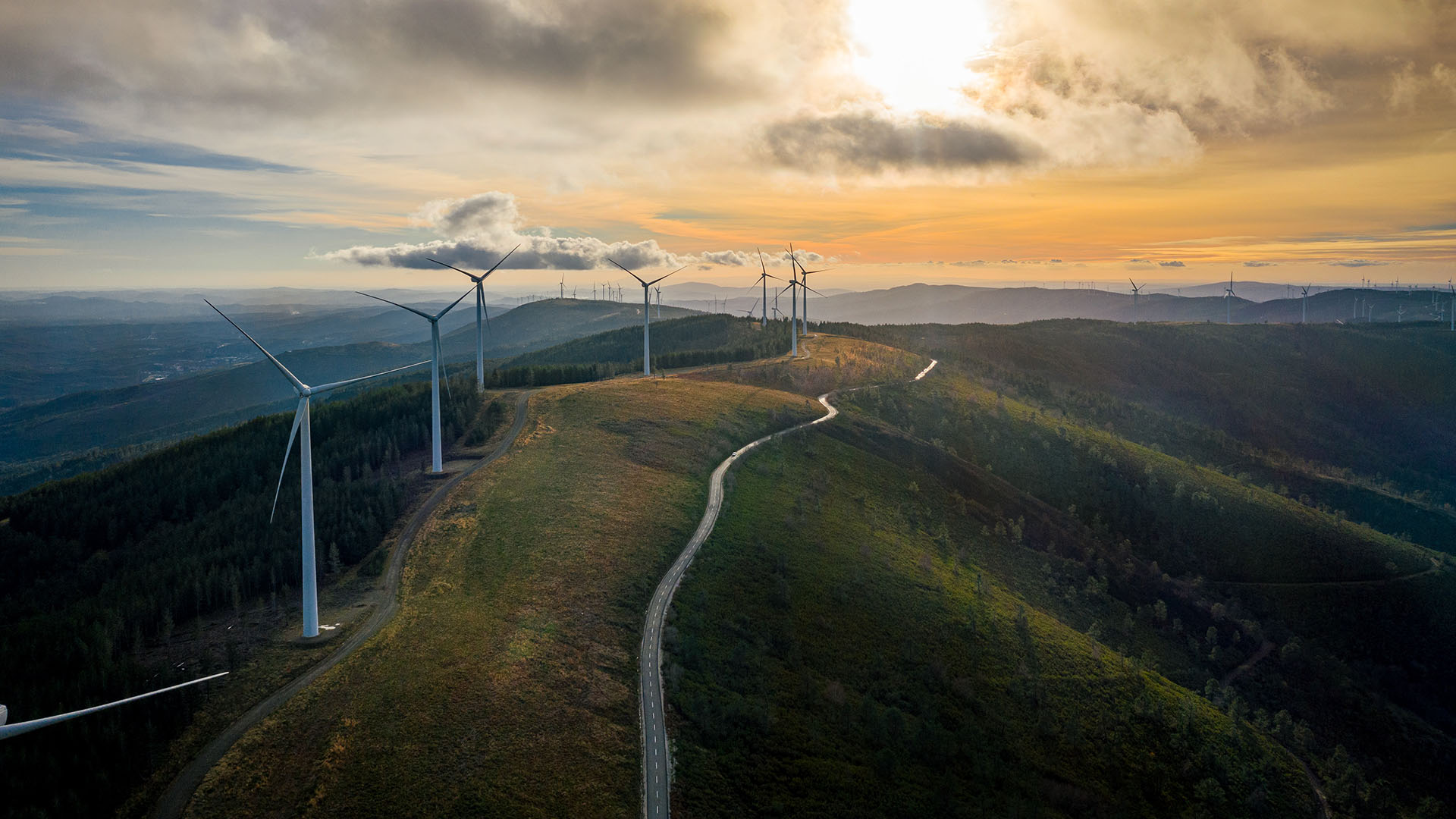
- A transnational network of renewable energy should be seen as a security infrastructure, vital for the independence and autonomy of the whole region. Even if the investments in the field have been delayed by COVID-19 and the war in Ukraine, the Western Balkan countries should build cross-border interconnectors to create a coherent energy grid without holes and dead ends.
- In order to decrease the percentage of young people neither in employment nor in education and training and solve other social problems, the Western Balkan countries should smooth their mobility rules and agree on specific provisions for students and workers willing to spend time abroad.